
Why Mobile-Friendly Website Design Is Essential for Business Success
The way people browse the internet has changed dramatically over the past decade. Today, most users access websites through their smartphones rather than desktop computers. Whether they are searching for products, reading reviews, comparing services, or making purchases, mobile devices have become the preferred choice for online activity.
For businesses, this shift means that having a mobile-friendly website is no longer optional—it's essential. A website that performs well on mobile devices can improve user experience, increase engagement, boost search engine rankings, and generate more leads and sales. On the other hand, a website that isn't optimized for mobile users can drive potential customers away and negatively impact business growth.
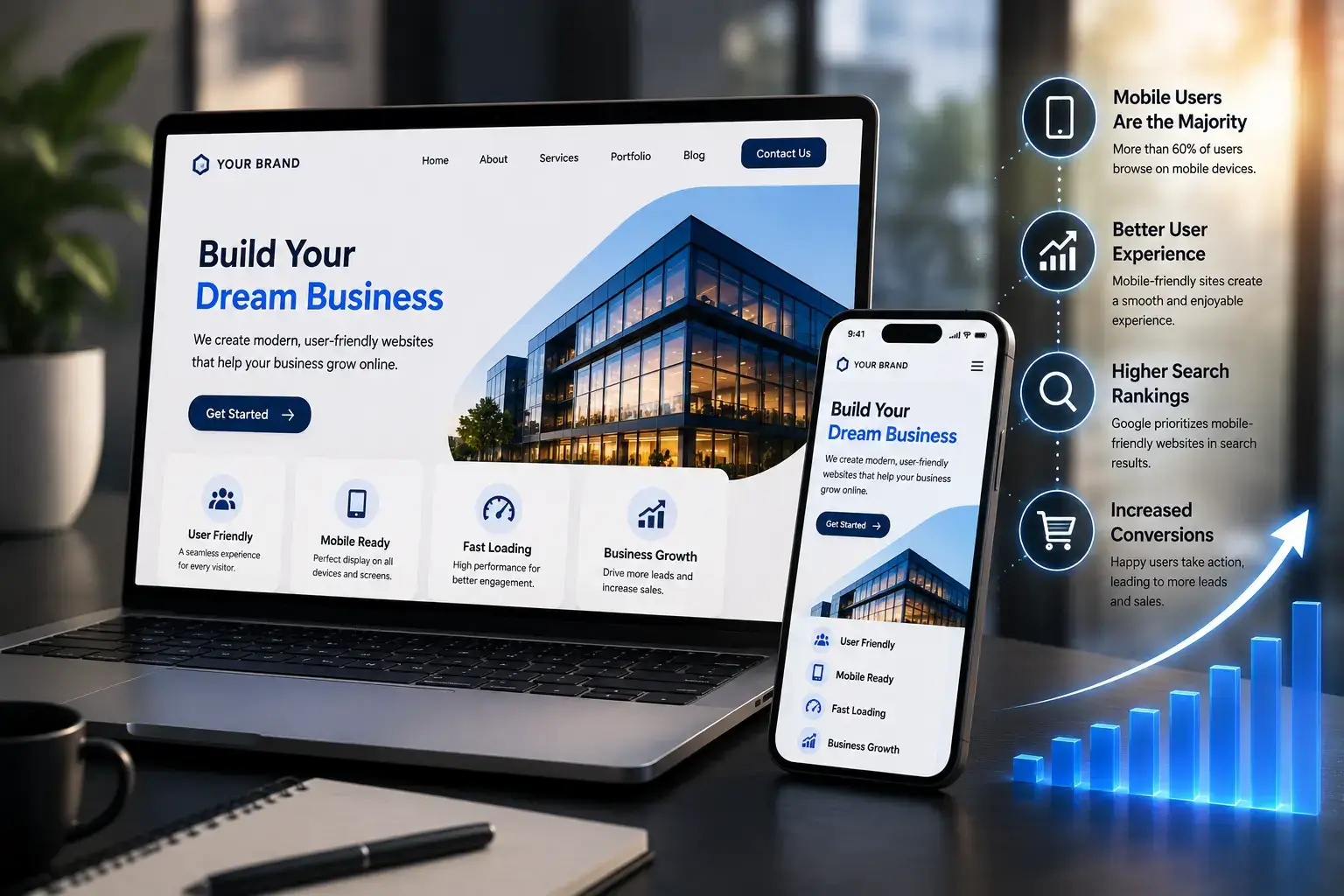
What Is a Mobile-Friendly Website?
A mobile-friendly website is designed to automatically adapt to different screen sizes and devices, including smartphones and tablets. Users should be able to navigate the site easily, read content comfortably, and interact with features without constantly zooming in or scrolling sideways.
A mobile-friendly website typically includes:
- Responsive design
- Fast loading speeds
- Mobile-optimized images
- Easy-to-click buttons
- Readable text
- Simplified navigation
- Touch-friendly functionality
The goal is to provide a seamless experience regardless of the device being used.
The Growing Importance of Mobile Users
Think about how often people use their phones throughout the day. Whether they’re at home, at work, traveling, or shopping, smartphones are always within reach.
Consumers use mobile devices to:
- Search for local businesses
- Compare products and services
- Read customer reviews
- Contact businesses
- Make online purchases
- Book appointments and consultations
If your website isn’t optimized for mobile users, you’re potentially losing a large portion of your audience before they even have a chance to learn about your business.
1. Improves User Experience
User experience is one of the most important factors in website performance. Visitors expect websites to load quickly and function smoothly on their devices.
A mobile-friendly website offers:
- Easy navigation
- Fast page loading
- Better readability
- Smooth browsing experience
- Simple interaction with forms and buttons
When users have a positive experience, they are more likely to stay on your website, explore additional pages, and take action.
Why It Matters
A frustrated visitor rarely becomes a customer. If users struggle to navigate your website on their phones, they will likely leave and visit a competitor's site instead.
2. Increases Search Engine Visibility
Search engines prioritize mobile-friendly websites because they want to provide users with the best possible experience.
A mobile-optimized website can help:
- Improve search rankings
- Increase organic traffic
- Enhance user engagement metrics
- Support overall SEO performance
Since search engines often evaluate the mobile version of a website when determining rankings, mobile optimization directly impacts your online visibility.
3. Generates More Leads and Sales
A mobile-friendly website makes it easier for visitors to take action.
Whether someone wants to:
- Fill out a contact form
- Request a quote
- Call your business
- Schedule a consultation
- Purchase a product
The process should be quick and convenient on mobile devices.
Better Mobile Experience = Better Conversions
When users can easily navigate your website and complete actions without obstacles, conversion rates often improve significantly.Small improvements in mobile usability can lead to substantial increases in leads and revenue.
4. Builds Trust and Credibility
Your website often serves as the first impression of your business.
A professional mobile-friendly website signals that:
- Your business is modern
- You care about customer experience
- Your services are reliable
- Your brand is trustworthy
In contrast, a website that appears broken, outdated, or difficult to use on mobile devices can create doubt about your professionalism.
First Impressions Matter
Many visitors form opinions about a business within seconds of visiting its website. A polished mobile experience can help establish trust immedia
5. Reduces Bounce Rates
Bounce rate refers to the percentage of visitors who leave a website without interacting further.
Poor mobile experiences often result in:
- Slow loading times
- Difficult navigation
- Unreadable content
- Broken layouts
These issues encourage users to leave quickly.
A mobile-friendly website keeps visitors engaged by making information easy to access and consume.
Lower Bounce Rates Can Lead To:
- More page views
- Longer session durations
- Higher engagement
- Increased conversion opportunities
6. Supports Local Search Success
Many mobile searches have local intent. People often search for businesses while on the go and are ready to take immediate action.
Examples include:
- Restaurants nearby
- Local service providers
- Medical clinics
- Home repair companies
- Retail stores
A mobile-friendly website helps local customers quickly:
- Find your location
- View business hours
- Call your business
- Request directions
- Submit inquiries
This can significantly improve local lead generation.
7. Adapts to Future Technology Trends
Technology and consumer behavior continue to evolve. Businesses that invest in responsive website design are better prepared for future devices and browsing habits.
A responsive website automatically adapts to:
- Smartphones
- Tablets
- Laptops
- Desktop computers
- New screen sizes and devices
This flexibility helps protect your website investment over the long term.
The Business Impact of Mobile Optimization
A mobile-friendly website influences nearly every aspect of online business performance.
Benefits include:
- Increased website traffic
- Better search rankings
- Improved user experience
- Higher conversion rates
- Stronger customer trust
- More leads and sales
- Greater brand credibility
Businesses that prioritize mobile optimization are better positioned to attract and retain customers in an increasingly mobile-first world.
Final Thoughts
Mobile-friendly website design is no longer just a nice feature—it's a critical requirement for business success. With more people using smartphones to search, shop, and connect online, businesses must provide a seamless mobile experience to remain competitive.
🍁 Get updates
Join Our Web Design Insights Community


4689 weekly subscribe
Subscribe to receive practical website design insights, website best practices, and updates that help businesses improve their online presence. No spam—just useful information you can actually apply.